
Root Canal Treatment in Ayoor, Kollam
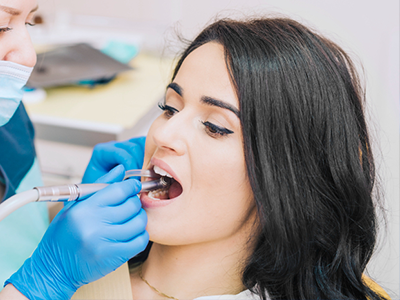
Tooth pain has a strange way of changing a person’s behavior.
At first, people ignore it. They chew from the other side. Drink slightly cooler tea. Avoid biting into something hard. The pain becomes part of the background for a while, almost like a routine inconvenience rather than a warning.
Then one night it changes.
The throbbing becomes sharper. Sleep becomes difficult. Even silence feels loud because the pain keeps pulsing inside the jaw. That is usually when people begin searching for options related to the Root Canal in Ayoor, Kollam. Not because they suddenly became interested in dental care, but because pain eventually forces attention.
And despite how common root canal treatment has become, many people across Kerala still approach it with fear that often comes from old stories rather than present-day reality. Some of those fears made sense twenty years ago. Many do not anymore.
The Part Most People Do Not Understand About Tooth Decay
A cavity is rarely just a cavity for long.
That is the uncomfortable part.
People tend to think dental problems stay frozen at the stage where they first notice them. But teeth do not really work that way. Once bacteria move deeper into the tooth and reach the pulp—the inner soft tissue containing nerves and blood supply—the pain changes character.
It becomes deeper. Warmer somehow. More persistent.
In many cases, that is when a dentist begins discussing root canal treatment. A root canal is essentially a procedure used to remove infected tissue from inside the tooth, clean the canals carefully, and seal the area to prevent further infection. The goal is usually simple: save the natural tooth instead of removing it.
That last part matters more than people realize. Natural teeth still function better than artificial replacements in many day-to-day situations. Dentistry has improved a great deal, yes, but preserving the original tooth is often preferable when possible.
Why People Delay Treatment
Fear is part of it.
Cost too.
But there is another reason people hesitate, especially in smaller towns and semi-urban parts of Kerala. Many assume the pain will disappear on its own if they wait long enough.
Technically, it sometimes does.
But that can actually indicate the nerve inside the tooth has died, which is not recoverable. It is a progression.
A surprising number of patients only seek help after swelling begins near the gums or face. By then, the infection may already be spreading beyond the tooth itself. Dentists see this pattern constantly, especially with molars.
Root Canal Treatment Does Not Usually Feel Like People Imagine
There is still an older cultural memory around dental treatment in India — particularly among people who grew up hearing stories about painful extractions and uncomfortable procedures done without proper anesthesia.
Modern treatment tends to be different.
Not perfect. Not completely sensation-free every single time. But far more manageable than the fear surrounding it.
Most root canal procedures today are done under local anesthesia. Patients generally feel pressure more than sharp pain during treatment. The anxiety before the appointment is often worse than the procedure itself. That sounds exaggerated until you speak to patients afterward.
Many say some version of the same thing:
“That was not as bad as I expected.”
Interesting how often that sentence appears in dentistry.
Choosing a Clinic Matters More Than Advertisements
People searching for the Root Canal in Ayoor, Kollam, usually encounter endless promises online. Painless treatment. Fast treatment. Advanced treatment.
Some clinics genuinely provide good care. Others mostly provide good marketing.
Those are not always the same thing.
A careful dentist usually spends time examining the extent of infection before rushing into treatment. X-rays matter. Diagnosis matters. Sometimes the pain originates from neighboring teeth or gum issues rather than the obvious tooth itself.
And occasionally, a tooth may not be salvageable even with a root canal.
Patients do not always like hearing that. But honesty tends to matter more than reassurance that sounds convenient.
Clinics like Pranah Dental Clinic are part of a growing shift in smaller Kerala towns, where dental care is becoming more patient-aware, less intimidating, and noticeably more modern than many people expect. That shift has been gradual.
But visible.
The Problem With Waiting Too Long
There is a practical issue people rarely think about. Delaying treatment usually increases complexity.
An infection that might have required a straightforward root canal early on could later need additional procedures, crowns, repeated cleaning, or, in severe cases, extraction.
And once a tooth is removed, replacement options become another conversation entirely.
Some patients eventually explore things like dental implants after losing teeth that might once have been saved. Implants can work well in many situations, but they are still replacements. Not originals.
Dentistry often becomes more expensive the longer avoidance continues.
Not always immediately. Eventually.
A Quiet Change Happening in Kerala Dental Care
There was a time when people from smaller towns frequently traveled to larger cities for advanced dental treatment.
That gap appears to be narrowing.
Clinics across places like Ayoor now use digital imaging, rotary instruments, better sterilization systems, and more refined restorative techniques than many patients expect when walking in. Awareness has improved, too. Younger patients tend to ask more questions now. They research procedures beforehand. Sometimes excessively.
Not every internet source helps.
Some videos dramatically overstate complications because fear spreads faster online than balanced information.
A root canal is still a medical procedure. Complications can happen. Reinfection can happen. Crowns may eventually need replacement. Dentistry is not magic.
But catastrophic outcomes are far less common than internet anxiety suggests.
The Question Patients Usually Ask First
“How many sittings will it take?”
The answer depends on the tooth and infection.
Some root canals can be completed in a single sitting. Others require multiple visits, especially when the infection is extensive or swelling exists around the roots.
Front teeth are generally simpler than molars because molars contain more canals and more complicated anatomy.
That complexity is partly why experience matters.
Tiny missed canals can create future problems. And unfortunately, symptoms do not always appear immediately when something is missed.
Cosmetic Dentistry Has Changed Expectations Too
An interesting shift is happening alongside restorative dentistry.
People are no longer visiting dental clinics only when something hurts. Increasingly, they come for appearance-related concerns too. Teeth alignment. Whitening. Smile correction.
Treatments like clear aligners in Ayoor reflect that change. Dental clinics now operate somewhere between healthcare spaces and aesthetic spaces, though the medical side still matters far more than social media trends suggest.
A healthy tooth underneath matters more than a perfectly photogenic smile. Though modern culture sometimes reverses those priorities.
There Is Usually a Small Window Before Things Escalate
That may be the most useful thing to understand.
Tooth infections rarely become severe overnight. The body often provides warnings first:
Sensitivity lasting longer than usual
Pain while chewing
Swelling near the gums
Persistent bad taste in the mouth
Pain wakes you at night
Sensitivity to hot liquids, especially
People tend to tolerate these signs longer than they should.
Partly because daily life is busy. Partly because dental appointments are easy to postpone.
Until they are not.
What Is Root Canal Treatment?
A root canal is a dental procedure used to save a tooth that has become badly infected or severely damaged inside.
Underneath the hard outer surface of every tooth is a soft inner tissue called the pulp. This pulp contains nerves and blood vessels. When deep decay, cracks, injury, or untreated cavities allow bacteria to reach this area, infection begins building inside the tooth.
That infection usually does not stay contained forever.
Root canal treatment involves removing the infected pulp, cleaning the inner canals carefully, disinfecting the area, and sealing the tooth to prevent further infection.
In many cases, a crown is later placed over the treated tooth for strength and protection.
The important part is this: the natural tooth remains in place. That matters more than people sometimes realize. A saved tooth usually functions better than an extracted tooth left untreated.
Signs You Need a Root Canal
The body tends to warn people before dental infections become severe.
Not always loudly at first.
Some symptoms appear gradually enough that people dismiss them for months.
Common signs include:
Persistent tooth pain
Sensitivity to hot or cold foods that lingers
Pain while chewing
Swollen or tender gums near a tooth
Darkening of the tooth
A small pimple-like swelling on the gums
Pain that becomes worse at night
Not every toothache requires a root canal. Sometimes the problem is gum-related or caused by simple sensitivity. Still, pain that repeatedly returns usually deserves proper examination rather than guesswork.
A good evaluation matters more than assumptions.
Benefits of Root Canal Treatment
People often focus only on the procedure itself and forget the larger purpose behind it.
The goal is preservation.
Root canal treatment offers several practical benefits:
It Saves Your Natural Tooth
Keeping the original tooth helps maintain normal chewing function and jaw alignment. Once a tooth is removed, neighboring teeth sometimes begin shifting gradually.
That can create additional problems later.
It Relieves Pain and Infection
Contrary to popular belief, root canals are designed to stop pain — not create it.
Most discomfort people associate with root canal treatment actually comes from the infection already present before treatment begins.
It Helps Prevent Further Dental Damage
Untreated infection rarely stays isolated forever. Early intervention reduces the chance of infection spreading deeper into surrounding tissues.
It Improves Daily Comfort
People often forget how exhausting chronic dental pain becomes until it disappears.
Sleep improves. Eating becomes easier. Concentration returns.
Small things feel normal again.
Is Root Canal Treatment Painful?
This is probably the question dentists hear most often. Modern root canal treatment is usually far less painful than people expect. Local anesthesia is used to numb the area properly before treatment begins. Most patients feel pressure and vibration more than actual sharp pain during the procedure itself.
The fear beforehand tends to be worse than the treatment in many cases.
Some mild soreness afterward is possible, especially if the infection was extensive beforehand, but this generally settles within a few days.
Old stories about unbearable root canal pain often come from a different era of dentistry.
Technology, anesthesia, and treatment methods have improved considerably since then.
Why Choose Pranah Dental Clinic in Ayoor
Choosing a dental clinic is not only about equipment or advertisements.
Patients usually remember how clearly a dentist explained things, how carefully they were examined, and whether the treatment felt rushed or thoughtful.
Pranah Dental Clinic has become part of a noticeable shift in dental care across smaller Kerala towns, where modern treatment is becoming more accessible without patients needing to travel constantly to larger cities. The clinic focuses on patient-centered care, careful diagnosis, and treatments that balance comfort with long-term dental health.
That balance matters. Especially with procedures like root canal in Ayoor, Kollam, where precision inside extremely small canals often determines how successful the treatment remains years later.
The clinic also provides broader dental services for patients exploring cosmetic and restorative options, such as dental implants in Ayoor and clear aligners in Ayoor.
And for many families searching for a reliable dentist in Kollam, familiarity and trust often matter as much as technical treatment itself.
FAQ
How long does a root canal take?
Some root canals can be completed in a single visit, while others may require two or more appointments, depending on the severity of infection and the tooth involved.
Molars generally take longer than front teeth because their canal structure is more complex.
Can I eat after a root canal?
Yes, although dentists usually recommend waiting until the numbness wears off completely.
Soft foods are often advised for the first day, especially if tenderness remains around the treated tooth.
Is root canal treatment safe?
Yes. Root canal treatment is considered a safe and widely practiced dental procedure when performed properly by trained professionals.
The purpose is to remove the infection and preserve the tooth.
How much does the root canal in Ayoor, Kollam, cost?
The cost depends on the tooth condition, infection severity, and whether additional restoration, like crowns, is required. A consultation and dental examination usually help determine the exact treatment plan and cost.
Contact
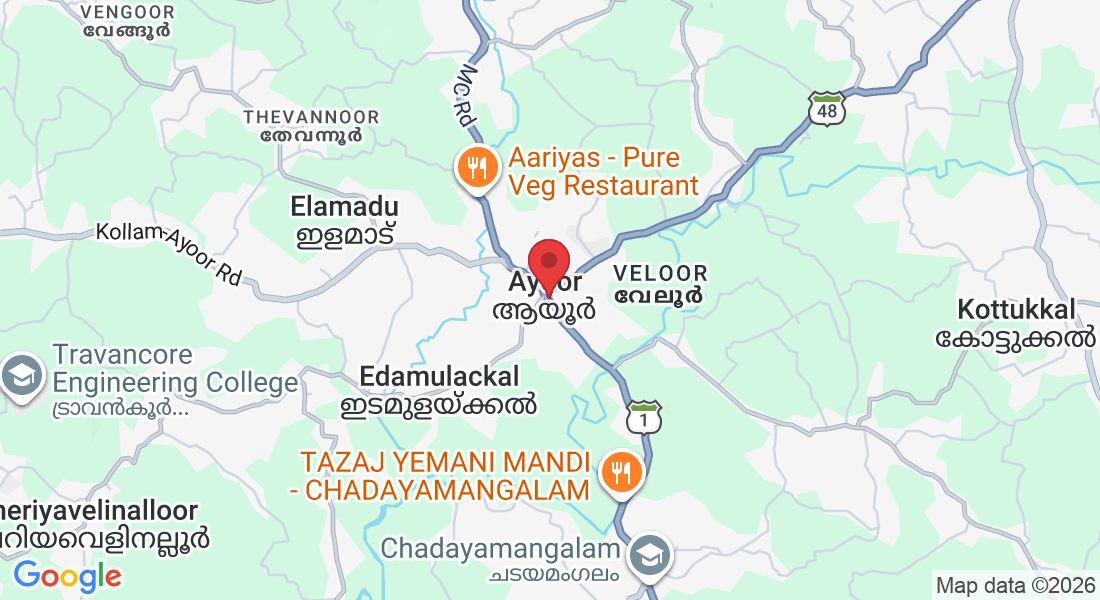
PRANAH Orthodontic Centre & Family Dental Clinic,
Akamon Ayoor PO, Kollam Kerala 691533
098952 25236
Working Hours
9am - 6pm (Mon - Sat)
Sun - Appointment Only


© 2026 PRANAH Orthodontic Centre & Family Dental Clinic. All rights reserved.